Service Advice for Lynn Top Tree Services
Transform Your Landscape: Advantages of Professional Tree Cutting Services
Renovating a landscape is often a complicated undertaking. Hiring expert tree cutting services simplifies this process. These experts possess specialized expertise and abilities, guaranteeing safe and efficient tree removal. This improvement not only boosts curb appeal but also safeguards property value. Yet, numerous homeowners neglect critical elements of tree care. Understanding the benefits and potential pitfalls can lead to better decision-making. What should homeowners consider before engaging these services?
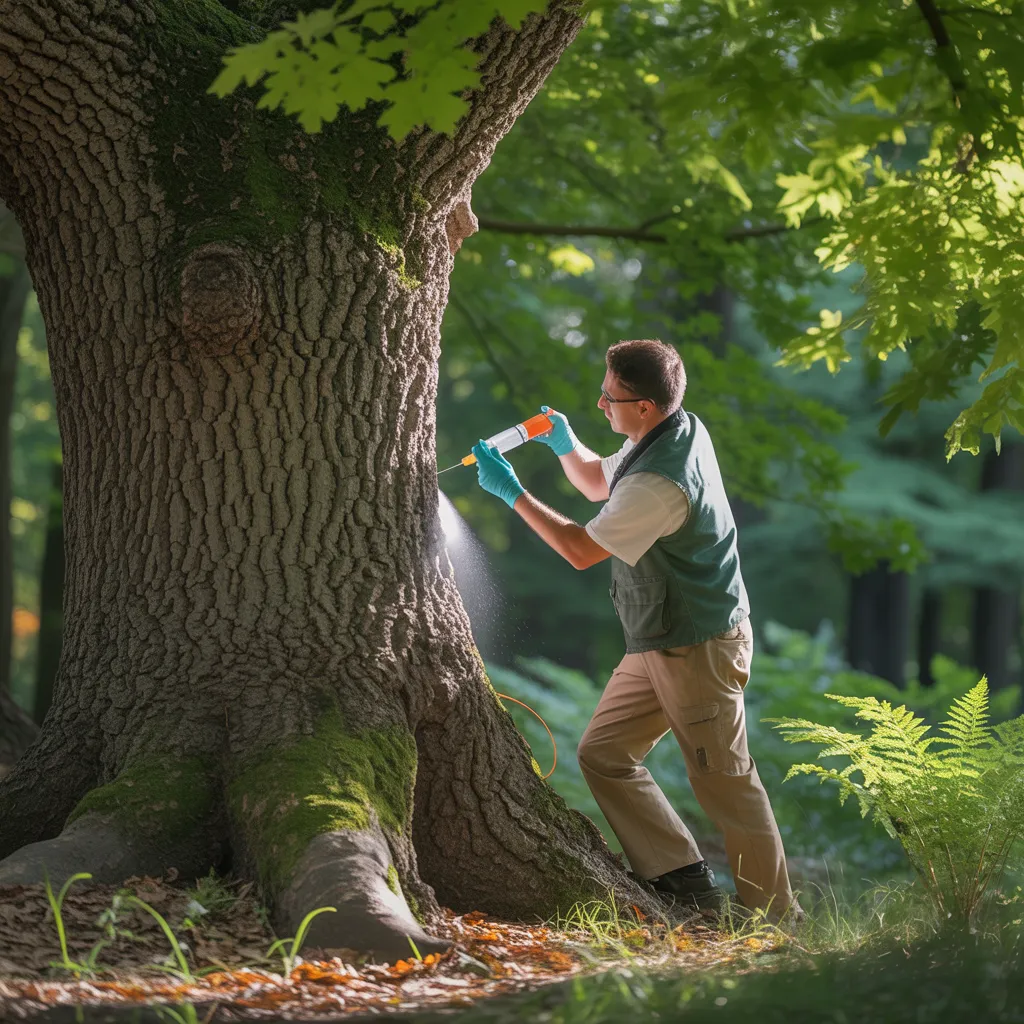
Top Reasons to Hire Professional Tree Cutting Services
When considering tree care, most homeowners understand the significant benefits of enlisting expert tree cutting services. These professionals possess expert knowledge about tree varieties, growth habits, and ideal cutting techniques, guaranteeing that trees are trimmed or removed accurately. This proficiency minimizes the risk of damage to surrounding structures and landscapes, supporting a healthier environment.
Additionally, professional tree cutters are armed with the essential equipment and protective gear, which are often important resource expensive and require training to use effectively. This improves overall efficiency while minimizing the risk of accidents or injuries throughout the process. Furthermore, hiring professionals can save time and effort for homeowners, permitting them to direct their attention toward other critical matters.
Additionally, tree cutting services can deliver helpful assessments of the health of trees, guiding property owners on essential upkeep and care. This preventative method supports the general beauty and durability of the yard.
How Tree Cutting Services Improve Safety
Professional tree cutting services greatly enhance safety for homeowners and their properties. Overgrown or weakened trees create substantial risks, including the danger of falling limbs during severe weather or high winds. These services assess tree health and structural integrity, identifying potential risks before they escalate into dangerous situations.
Trained professionals employ advanced tools to expertly extract branches or trees, decreasing the likelihood of events that could result in personal injury or structural damage. Moreover, they follow established safety measures that safeguard workers as well as nearby surroundings.
How the Health of Your Trees Impacts Property Value
Tree health significantly impacts property value, primarily through their aesthetic appeal and structural integrity. Well-maintained trees enhance the visual charm of a property, appealing to potential buyers and enhancing overall marketability. Conversely, unhealthy trees can pose safety risks and detract from the overall appeal, ultimately lowering property values.
Tree Aesthetics and Appeal
Well-maintained trees significantly improve the visual charm and attractiveness of a property, affecting its market standing. Properly cared-for trees create a rich, welcoming outdoor environment, drawing in prospective homeowners and boosting street presence. The presence of vibrant, healthy greenery can create a sense of tranquility and well-being, making properties highly appealing. Additionally, mature trees offer shade and privacy, upgrading open-air environments and fostering neighborly connections. When trees are trimmed and sculpted by professionals, they display a refined look that transforms the whole property. Conversely, poorly maintained or diseased trees may diminish a property's attractiveness, potentially lowering its market value. Therefore, utilizing skilled tree care services confirms that trees remain an asset rather than a liability.
Building Integrity and Safety
Even though healthy trees can improve a property's attractiveness, their structural integrity is also essential for safety and value. Compromised or unhealthy trees present serious hazards, including potential property damage and injury. When branches become unstable or roots weaken, the chance of limb failure grows, jeopardizing both people and structures nearby. Homeowners should recognize that unhealthy trees can detract from property value, as buyers are often wary of hidden liabilities. Routine evaluations by arborists can detect problems before they escalate, guaranteeing that trees remain a beneficial part of the property. By emphasizing proper tree care and security, homeowners not only safeguard their assets but also cultivate an attractive setting that draws prospective buyers and improves total property value.
What You Should Know Before Hiring Tree Care Experts?
How do homeowners ensure they are hiring the most qualified tree care specialists? First, they should research potential companies thoroughly. Reading online reviews and customer testimonials offers valuable information about the level of service provided. Moreover, verifying credentials such as insurance and licenses is essential; reputable tree care experts should be fully insured to protect against accidents.
Homeowners ought to also ask for detailed estimates that outline the range of services involved, ensuring there are no hidden costs. It helps to ask about the techniques and equipment the company uses, as modern practices can enhance safety and efficiency. In addition, a trustworthy tree care specialist will arrange a consultation to address individual needs and deliver customized suggestions.
Finally, homeowners should trust their instincts during the vetting process. Open communication and a professional demeanor can reflect a business's dedication to exceptional service. By implementing these measures, homeowners can make informed decisions when choosing qualified arborists.
5 Common Tree Care Mistakes Homeowners Make
Many homeowners often make significant mistakes when caring for trees that can lead to long-term damage. One common error is improper pruning, which may compromise a tree's structure and encourage disease. Furthermore, failing to mulch can cause soil erosion and moisture loss, harming root systems. Overwatering represents another prevalent mistake, as it can suffocate roots and invite fungal diseases. Homeowners might also overlook signs of pest infestations, enabling infestations to grow and damage tree health. Finally, not considering a tree's mature size when planting can result in overcrowding, reducing growth and intensifying competition for nutrients. Correcting these errors is crucial for preserving a thriving landscape and guaranteeing the long-term health of trees. By recognizing these common errors, homeowners can improve their tree care routines and support a healthier environment.
How to Choose the Right Tree Cutting Service for You
Selecting the right tree removal service can greatly influence the overall condition and appearance of a property. Homeowners should focus on companies with licensed arborists who demonstrate the essential expertise in proper tree care and removal techniques. Researching digital reviews and feedback can reveal details regarding a service's overall performance and dependability. Moreover, collecting various price quotes allows homeowners to assess costs and service options, guaranteeing they choose a provider that meets their financial needs while maintaining high standards.
It is also essential to ensure that the preferred service is fully insured and licensed, shielding the homeowner from liability risks. Questions regarding the tools and approaches utilized can also demonstrate a service's professionalism and commitment to safety. Finally, a trusted tree removal company will provide a comprehensive evaluation of the trees, providing recommendations for maintenance and future care to maintain the integrity of the landscape. At the end of the day, informed decision-making guarantees that homeowners select a service that meets their specific needs.
Common Questions and Answers
How Much Do Professional Tree Cutting Services Typically Cost?
Professional tree removal services generally range in price between $200 and $2,000, with pricing influenced by the size of the tree, its location, and the difficulty of the work. Additional fees may apply for stump grinding and additional specialized work.
What Time of Year Is Best for Tree Cutting?
The best time for tree cutting usually occurs in the late winter through early spring period, ahead of new growth starting. This timing minimizes stress on the tree and reduces the risk of disease transmission.
Do You Need Special Permits for Tree Cutting?
Yes, specific permits are often required for cutting down trees, depending on local regulations. Land owners should verify with city officials to ensure compliance and steer clear of potential penalties or legal problems related to unauthorized tree removal.
What Are the Signs That a Tree Needs to Be Cut
A tree might require removal if it exhibits indicators of infection, deteriorating branches, or excessive leaning. Moreover, if it presents a hazard to nearby buildings or individuals, professional assessment is advisable for proper evaluation.
What Equipment Do Tree Cutting Professionals Use?
Tree cutting professionals commonly rely on pruning saws, chainsaws, axes, and wood chippers. Essential safety equipment includes helmets, gloves, and harnesses. Additionally, trucks and stump grinders may be employed for efficient debris removal and site cleanup.